
How Often Should You Visit the Dentist?
Maintaining a healthy smile involves more than brushing your teeth twice a day. Regular dental check-ups are an important part of looking after your oral health, helping identify potential problems early and keeping your teeth and gums in good condition.
Many people wonder how often they should visit the dentist. While a dental appointment every six months is a common routine, the ideal frequency can vary depending on your individual dental health, medical history and risk factors.
Whether you are visiting for a routine examination, professional cleaning or a specific dental concern, understanding the importance of regular dental care can help you make informed decisions about your smile.
How Often Should You Visit the Dentist?
For many patients, visiting the dentist every six months provides a useful opportunity to monitor their oral health and address concerns before they become more complicated.
However, not everyone requires the same appointment schedule. Some patients may benefit from more frequent visits, while others with consistently good oral health may be advised to attend less frequently.
Your dentist can recommend an appropriate schedule based on factors such as:
- Your history of tooth decay and dental treatments.
- The condition of your teeth and gums.
- Your risk of developing gum disease.
- Your daily oral hygiene habits.
- Existing dental concerns and treatment requirements.
The most important thing is to follow a dental care schedule that is appropriate for your individual needs.
Why Are Regular Dental Check-ups Important?
Regular dental examinations help maintain your oral health and allow your dentist to identify changes that may not be noticeable at home.
Here are some important benefits of routine dental visits.
1. Early Detection of Dental Problems
Tooth decay, gum disease and other oral health concerns may develop gradually without causing noticeable symptoms in their early stages.
Regular examinations help your dentist identify potential problems and recommend suitable treatment before they progress.
2. Professional Teeth Cleaning
Even with regular brushing and flossing, plaque can accumulate in areas that are difficult to clean.
When plaque hardens, it becomes tartar, which cannot be removed through normal brushing. Professional dental cleaning helps remove this buildup and supports healthier gums.
3. Maintaining Healthy Gums
Healthy gums provide essential support for your teeth. During a routine examination, your dentist can look for signs of inflammation, bleeding and gum disease.
Early attention can help prevent more serious gum-related problems.
4. Personalised Dental Advice
Everyone has different dental needs. Your dentist can provide practical recommendations based on your teeth, gums, lifestyle and oral hygiene habits.
This may include advice about brushing techniques, flossing, diet and suitable dental products.
What Happens During a Dental Check-up?
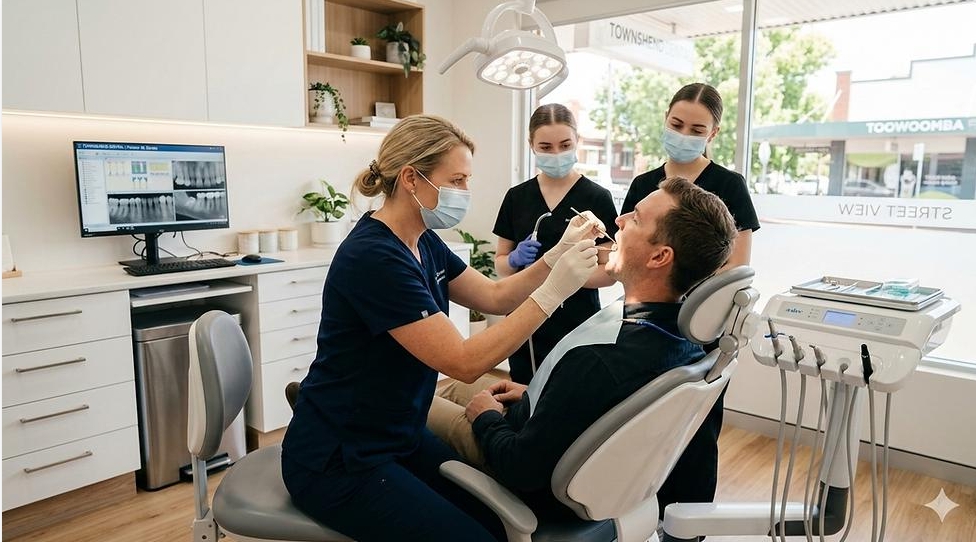
A routine dental appointment generally involves several steps to assess your oral health.
| Dental procedure | What it involves |
|---|---|
| Dental examination | Checking teeth for cavities, damage and other concerns. |
| Gum assessment | Examining gum health and looking for signs of inflammation. |
| Professional cleaning | Removing plaque and tartar buildup where required. |
| Dental X-rays | Used when clinically necessary to assess areas not easily visible. |
| Oral health advice | Discussing hygiene habits and personalised recommendations. |
| Treatment planning | Explaining any identified concerns and suitable treatment options. |
Not every patient requires all these procedures at every visit. Your dentist will determine what is appropriate for your needs.
Signs You Should Not Delay a Dental Visit
You should not wait for your next routine check-up if you experience unusual symptoms or ongoing discomfort.
Some common warning signs include:
- Persistent toothache or dental pain.
- Bleeding or swollen gums.
- Sensitivity to hot and cold foods.
- Chipped, cracked or broken teeth.
- Persistent bad breath.
- Discomfort when chewing.
- Changes in the appearance of your gums.
These symptoms may indicate an underlying dental concern that requires professional assessment.
Severe pain, facial swelling or dental injuries should receive prompt attention. Difficulty breathing or swallowing requires emergency medical care.
How Can You Maintain Healthy Teeth Between Dental Visits?
Good oral hygiene at home plays an important role in preventing common dental problems.
Consider following these daily habits:
- Brush twice daily: Use a soft-bristled toothbrush and fluoride toothpaste for approximately two minutes.
- Floss every day: Clean between your teeth to remove plaque and food particles.
- Limit sugary foods: Reduce frequent consumption of sugary snacks and drinks.
- Drink water regularly: Water helps wash away food particles and supports saliva production.
- Replace your toothbrush: Change your toothbrush approximately every three to four months or sooner if the bristles become worn.
- Avoid smoking: Smoking can negatively affect your gum health and overall oral health.
- Follow professional advice: Maintain the dental care routine recommended by your dentist.
Frequently Asked Questions
Is visiting the dentist every six months necessary?
A six-monthly appointment is a common routine, but the ideal frequency depends on your individual oral health. Your dentist can recommend a suitable schedule.
What happens if I have not visited a dentist for several years?
It is never too late to arrange a dental appointment. Your dentist can examine your teeth and gums, identify any concerns and discuss suitable treatment options.
Does a dental check-up include professional cleaning?
Professional cleaning may be included or recommended depending on your oral health and treatment needs. Your dentist can explain what is appropriate during your appointment.
Can I visit the dentist if I do not have tooth pain?
Yes. Regular dental examinations are important even when you are not experiencing pain, as some dental problems may develop without obvious symptoms.
How long does a routine dental check-up take?
Appointment times vary depending on the examinations and treatments required. Your dental clinic can provide an estimated appointment duration when booking.
Book Your Dental Check-up at Everbright Dental
Looking after your oral health today can help protect your smile for years to come. Regular dental visits, combined with good daily hygiene habits, are an important part of maintaining healthy teeth and gums.
At Everbright Dental, we provide professional dental care with a gentle and personalised approach. Led by Dr Sheldon Chen, our team welcomes individuals and families at our Kurri Kurri and Raymond Terrace practices.
Whether you need a routine examination, professional cleaning or advice about a dental concern, we are here to help.
Contact Everbright Dental today to arrange your next dental appointment and take a positive step towards a healthier smile.